

Why Is My Car Pulling to the Side?
A Genesis of Milwaukee Service Guide
Most of the time, a car pulling to one side comes down to tire pressure, uneven tire wear, an alignment issue, or a problem with the brakes. Less often, it’s a worn suspension part or a steering component that’s lost its grip on keeping things straight.
Picture this: cruising down Highway 18 near Waukesha, hands relaxed on the wheel, and the car starts drifting toward the shoulder the second attention wanders.
Annoying? Sure. Dangerous? That depends. Figuring out what causes a car to pull to one side usually takes just a few quick checks, and our service team at Genesis of Milwaukee walks drivers through this exact question on a near-daily basis.
Key Takeaways
- A pulling car almost always comes down to one of four things: tire pressure, tire wear, alignment, or brakes.
- A car that pulls to the right or left isn’t automatically an emergency, but it shouldn’t be ignored, either.
- Pulling that shows up only when braking usually points to the brake system, not the tires.
- Left alone, a pull can speed up tire wear, hurt fuel economy, and lengthen stopping distance.
- A quick inspection at Genesis of Milwaukee can usually pinpoint the cause in under an hour.
What Causes a Car to Pull to One Side?
Most of the time, a car pulling to one side comes down to tire pressure, uneven tire wear, an alignment issue, or a problem with the brakes. Less often, it’s a worn suspension part or a steering component that’s lost its grip on keeping things straight.
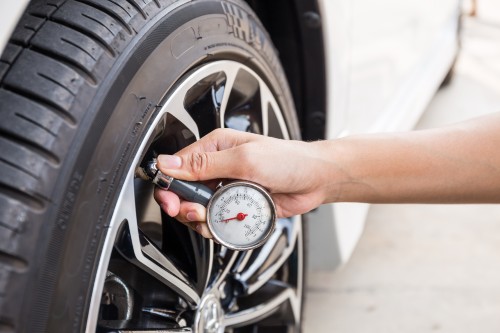
Start simple: check the tire pressure. One low tire creates more rolling resistance on that side, so the car drifts toward it. If the car pulls to the right, the right-front tire is worth checking first. Uneven tread wear does something similar, even when the pressure gauge looks fine.
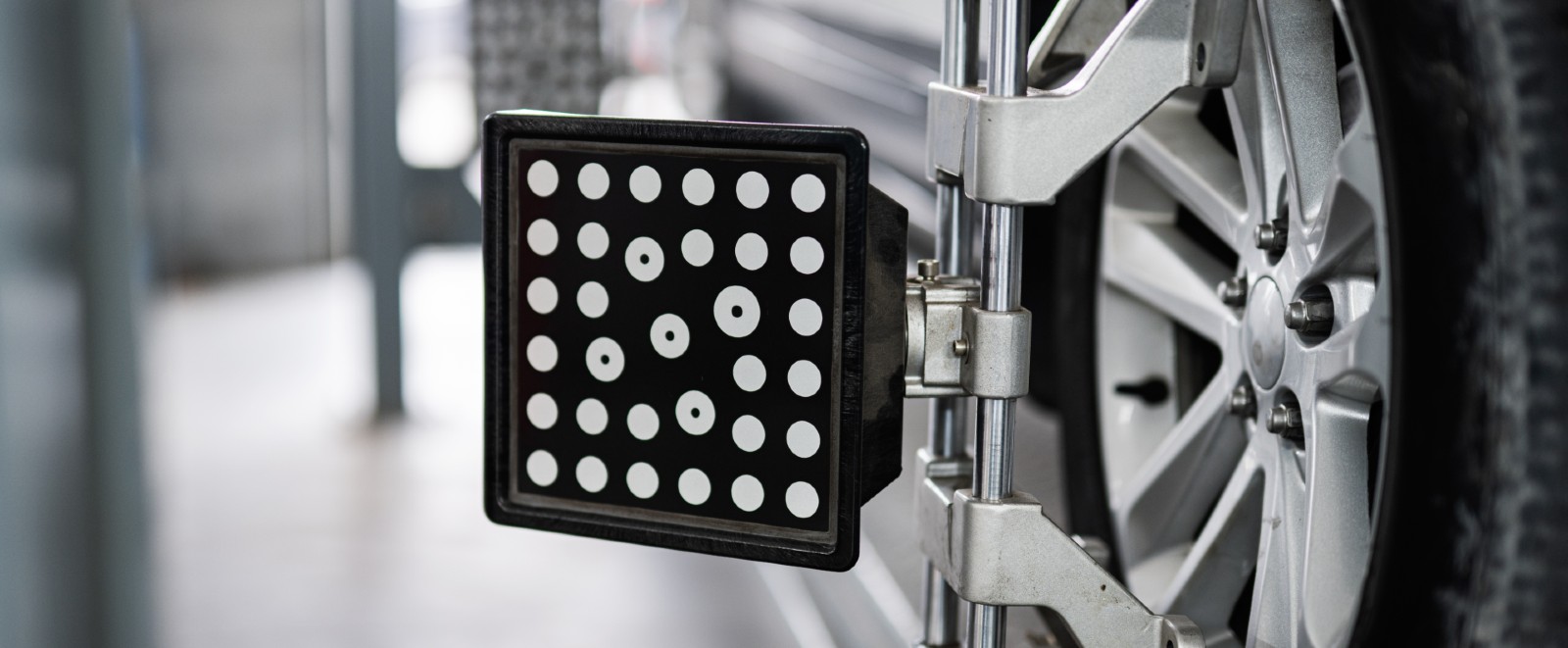
Alignment is the next usual suspect, especially after hitting a pothole on Bluemound Road or curbing a wheel while parking downtown. When the wheels aren’t pointed in the same direction, the car fights itself the entire time it’s moving.
Brakes matter, too. A caliper that’s sticking or a pad that’s worn unevenly can make one side slow down harder than the other, which feels like a pull even on a flat, straight road.
Common Culprits, Ranked by Frequency
- Low or uneven tire pressure
- Tire wear or tire conicity (a manufacturing defect)
- Wheel misalignment
- Sticking brake caliper or uneven pad wear
- Worn suspension or steering components (ball joints, tie rods, bushings)
How Dangerous Is It When a Car Pulls to One Side?

A mild pull is more annoying than dangerous, but a strong pull, especially one that shows up under braking, is a real safety concern that shouldn’t be put off until a convenient weekend.
Think about what constant correction does over a two-hour drive. Fighting a wheel that wants to drift adds fatigue, slows reaction time, and makes it easier to drift into another lane without noticing.
If the car pulls to the left hard enough that letting go of the wheel for even a second sends it toward the centerline, that’s not a maintenance suggestion; that’s a stop-driving situation.
Pulling under braking carries its own risks, since it means the two sides of the car aren’t slowing down at the same rate, which can be especially dangerous on wet roads or during a panic stop.
Even a mild, steady pull adds cost over time: uneven tire wear, lower fuel economy, and extra strain on suspension parts that were never built to compensate for a misaligned wheel.
Pulling Causes at a Glance
| Cause | What You’ll Notice | How Urgent |
|---|---|---|
| Low tire pressure | Gradual drift, worse at highway speed | Low – check and fill right away |
| Wheel misalignment | Steady pull, uneven tread wear | Moderate – schedule an alignment soon |
| Sticking brake caliper | Pull shows up only when braking | High – have it inspected right away |
| Worn suspension parts | Wandering feel, worse over bumps | Moderate to high, depending on the part |
| Tire conicity (defect) | Pull present from day one on new tires | Low – typically covered under tire warranty |
When Should You Get Your Car Serviced for Pulling?
If the pull is mild and a tire was just aired up, give it a day. If it’s strong, sudden, or shows up when braking, get it looked at right away.
A good rule of thumb: if adding air doesn’t fix it within a day or two, it’s time to have a technician take a look. Small alignment drift can wait for a scheduled appointment, but a pull that’s gotten noticeably worse over a week, or one that came on suddenly after hitting a pothole, deserves a same-week visit.
Pulling under braking is the one that shouldn’t sit on the calendar, since brake issues rarely improve on their own, and a caliper that’s sticking today can seize completely down the road.
Our team at Genesis of Milwaukee can run a quick alignment check, inspect the brakes, and look over the suspension in one visit, so there’s no guessing which system is actually behind the pull. Waukesha drivers dealing with rough winter roads or a recent pothole season tend to see alignment issues show up more often than usual.
The Bottom Line on a Car That Won’t Drive Straight
A car that pulls to one side is trying to say something, and most of the time it’s an easy fix once someone takes a look. Whether it’s tire pressure, a slightly misaligned wheel, or a brake that needs attention, catching it early keeps tires wearing evenly and the commute home comfortable rather than a workout.
If the steering wheel has been asking for a little extra attention lately, scheduling a quick check at Genesis of Milwaukee is an easy next step. A short inspection now can prevent a bigger repair and a less comfortable drive later on.
Notice your vehicle pulling to one side? Let our service team take a look.
FAQ
Is it safe to drive if my car pulls to one side?
A mild pull is usually fine for a short trip to get it checked, but a strong or sudden pull, especially under braking, means it’s best to have it looked at before driving much further.
Can low tire pressure really cause a car to pull?
Yes. Even a small pressure difference between tires changes how much resistance each one creates, and that’s often enough to make the car drift toward the side with less air.
Will a wheel alignment fix a car that pulls to one side?
In many cases, yes. Alignment is one of the most common fixes, though it won’t help if the pull is actually coming from the brakes or a worn suspension part.
Why does my car only pull when I brake?
That usually points to the brake system. A caliper that’s sticking or brake pads that are wearing unevenly can make one side of the car slow down faster than the other.
How much does it cost to fix a car that pulls to one side?
It depends on the cause. Adding air is free, an alignment is a relatively affordable service, and brake or suspension repairs vary based on which parts need attention.

0 comment(s) so far on Why Is My Car Pulling to the Side?